Showing posts with label GPM. Show all posts

Thursday, June 1, 2023

Why did GPM open a cafe in a remote village area in India?

When Gabriel Project Mumbai (GPM) decided to open a cafe in the remote tribal village area of area of Mokhada, Maharashtra, last month, they hoped to garner some local interest and support. What they got was wild enthusiasm from both locals and those traveling through – and a public clamoring for more.


By the end of the first week, crowds gathering at the café – which is located on the main road artery in the district – the food was a hit!

The Gaja Café (‘Gaja’ being the Sanskrit word for ‘elephant’, an auspicious animal found in Hindu, Buddhist and Jain scriptural texts) was born as a response to the challenges faced by indigenous communities, who often endure disproportionately high levels of unemployment and poverty. The café was opened in order to catalyze positive change, uplift marginalized communities, provide jobs and serve some great tasting meals.

“This venture holds immense potential, with its focus on generating livelihood opportunities,


diversifying revenue streams, showcasing traditional tribal cuisine, and utilizing profits to support vital development initiatives,” explained Kenneth Dsouza of Gabriel Project Mumbai. "The café provides us with an additional sustainable financial model, reducing our dependency on external funding and ensuring the continuity of our development initiatives. This innovative approach aims to safeguard against funding fluctuations and increase the organization's impact on the ground.”

The Gaja Café, which offers a menu of Indian breakfast, lunch, snacks, health drinks and dessert items provides livelihood opportunities for six community members, including three cooks and three servers who have been FOSTAC (Food Safety Training & Certification) trained in the highest hygiene practices. The café shares industrial kitchen space with GPM’s Bal Balwaan/Healthy Child Malnutrition Intervention program that aims to treat infants diagnosed with Severe Acute Malnutrition (SAM).

“What I love most about the Gaja Café is that it draws people into our center where they learn about our


programs in education, healthcare, livelihood, and nutrition – while helping GPM become more economically sustainable,” explains Jacob Sztokman, Founder of GPM, “By reinvesting the cafe profits into education, healthcare, and infrastructure projects, we ensure that the benefits extend far beyond the cafe itself. It's like turning dosas into development!"

The cafe also showcases the rich culinary heritage of the local tribal communities, offering visitors an authentic taste of traditional tribal cuisine along with Western fare. Darshan Kharpade, Gaja Café supervisor emphasizes the cultural significance: "This café not only satisfies culinary enthusiasts but also celebrates and preserves the indigenous knowledge and culinary traditions of our tribal community. It fosters cultural exchange, appreciation, and a deeper understanding of our communities.” Darshan adds, “a main focus of the Gaja Café is to serve healthy food and the hygienic, zero-waste kitchen is environmentally friendly” with a compost bay in clear view outside the kitchen. Additionally, all food ingredients are locally sourced providing economic support to local farmers.

This initiative represents a paradigm shift in international development efforts, combining economic empowerment, cultural preservation, and sustainable progress.


The Gaja Café is expected to create a ripple effect, elevating the living standards of the tribal community while nurturing a sense of pride and identity. Furthermore, this model can serve as an inspiration for similar ventures in other remote areas, where development organizations can leverage local resources and traditions to foster sustainable change.

If you are in the area and want to drop into the Gaja Café, we are located in Mokhada Maharashtra at: https://goo.gl/maps/MNkHBoCdfxfADqNL6

(Operating hours are 8am till 5pm, six days a week – vegetarian/kosher).


Sunday, May 21, 2023

Do you know what seed-balls are all about? Let our students show you.


The hottest part of the Summer holidays in Maharashtra, India is in May. Some days the temperature reaches 46C/115F! While the academic year for our students has ended, Gabriel Project Mumbai runs a four-week summer camp that we call ‘Summer Club’.
Hundreds of children of all ages from the Kalwa slums and the rural villages of Mokhada get together in the relative cool of the mornings and late afternoons for fun activities, a nutritious meal and creative learning from Gabriel Project Mumbai teachers.
One of the most interesting activities is learning how to make seed-balls (also known as seed-bombs). GPM teachers explain the importance of trees in life and how urbanization and the depletion of forests adversely effect all our lives. So, how can we look after our environment? Well, one way is by making seed-balls! The seed-ball technique was created by Japanese farmer, Masanobu Fukuoka as a way to increase vegetable and tree production.
At Summer Club, children gather over a large metal dish and mix soil, clay, cow-dung and tree seeds and a little water, rolling out balls that are then dried for a few days in the sun. Later the children release the seed balls in areas where reforestation is required and when the rains come down in mid-July, the seeds germinate from their comfy and nutritious seed-ball!
"This is very innovative for the children because usually small children are disempowered in planting trees as seedlings are costly and it is too hard for them to dig deep holes in the hard earth," says Sanket Kadu, GPM agriculture officer. "The seed-ball technique is effective in tree propagation and easy for children to feel part of looking after their homes and their planet."Such a fun activity and what a wonderful lesson that teaches us all that no matter how old we are and no matter where we live, we can all be activists for our environment.

To donate to GPM:https://www.gabrielprojectmumbai.org/donate

Sunday, April 16, 2023

Free oral cancer screening program for thousands of people by GPM and the Indian Dental Association

A free oral cancer screening program for thousands of people living in underserved villages in Maharashtra took place in March. As part of the state-wide Maharashtra Oral Cancer Campaign (MOCC), Gabriel Project Mumbai and the Indian Dental Association (IDA), provided life-saving oral health awareness and treatment in 40 remote underserved hamlets in the Mokhada sub-district. 

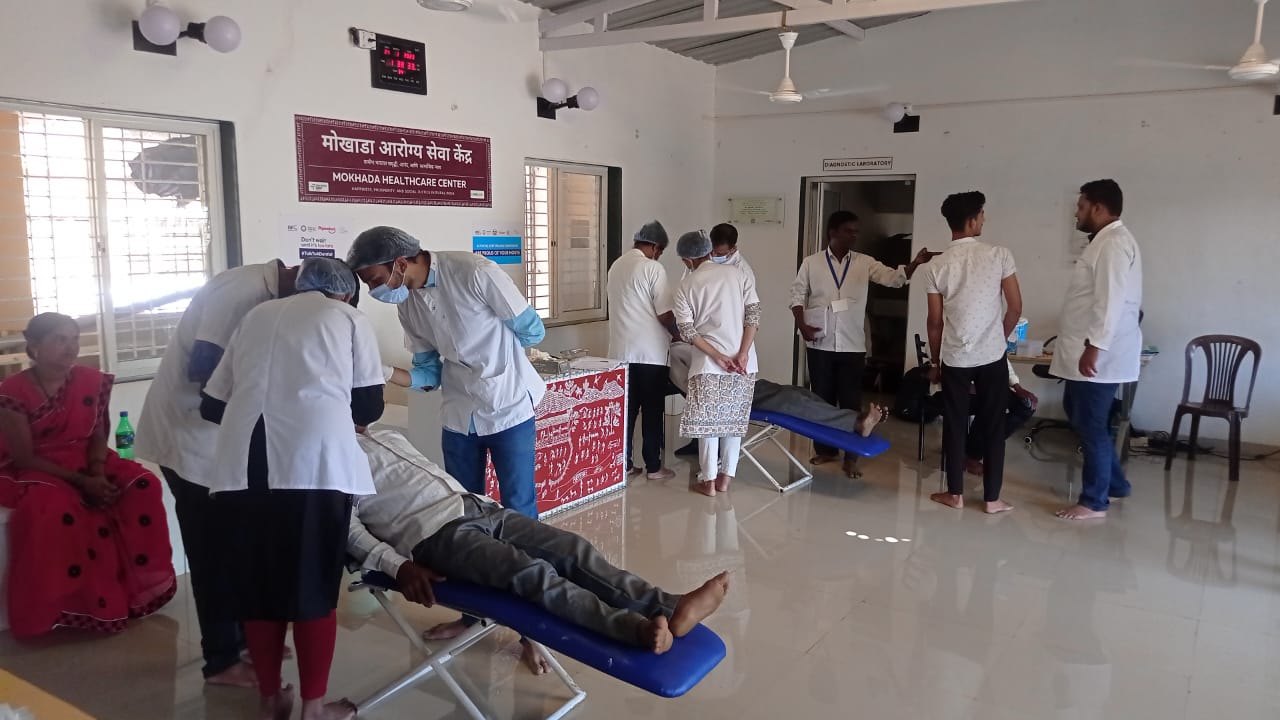
As part of the MOCC, specialist dentists and doctors provided services free of cost and additional referrals for specific complex treatments. Of the 2000 people participating in the program, 84 patients with signs of oral cancer were given cancer biopsies. These biopsies were sent to laboratories for analysis. Additional dental care activities based at the GPM ‘Mokhada Community Health Center’ included home visits, blood samples, scaling, extractions, and GIC restoration (filling of cavities and fixing tooth deformities).

“The ongoing oral health care program spearheaded by GPM and the IDA is saving many lives from oral cancer by treating the cancers at an early stage and, most importantly, through education and community awareness, said GPM India Director Kenneth Dsouza. “Preventive health care is the key to long-term health of our community service participants.”

The first phase in this program, which took place in July 2022, was the “Oral Health Screening Camp”


in which over 2000 patients from 40 hamlets Mokhada were screened for oral cancer and provided with individualized follow-up treatment plans.

The second phase that took place in March 2023 focused on the people in need of treatment or those showing symptoms of oral cancer. Patients from the North and the South will be brought to the health center for counselling, blood tests, biopsy, and basic treatment. 

Phase three will focus on the treatment of those based in south Mokhada along with counselling of patients.


GPM medical staff and Indian Dental Association dental staff go over logistics of the oral healthcare screenings 


Monday, February 6, 2023

GPM save lives by training First Responders in rural India

Over 2,200 people died last year in India due to natural disasters and extreme weather events. Heavy monsoon rains, flooding, and extreme tropical cyclones are devastating, but people living in underserved


urban and rural communities are most negatively affected. Those without stable homes, infrastructure, and resources to construct protections from the elements are the most vulnerable and at risk of devastating tragedy.

The GPM Rural Emergency Response Program that began during Covid has launched a  ‘First Responders’ training course to support the 57 villages of Mokhada in times of natural disasters. The training course, which takes place at the GPM medical clinic, the Mokhada Community Healthcare Center, is being taught by expert government trainers to fifty participants, including five GPM staff, in life-saving methods and
techniques to use in climate emergencies.  

“We hope that this cohort of first responders will receive the knowledge and skills that they need to save lives of people living in Mokhada,” said GPM India director Kenneth Dsouza. “I’m proud that we at GPM are able to serve the community in such a vital and meaningful way.”


Sunday, February 6, 2022

Critical patients now have oxygen 24/7

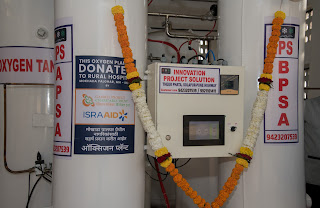
Gabriel Project Mumbai (GPM) celebrated Indian Republic Day by hosting a handover ceremony at the Mokhada Rural Hospital for a brand-new Oxygen Plant.  The Oxygen Plant, manufactured in India, was funded through a partnership with Gabriel Project Mumbai, IsraAID and UJA Federation of New York.  Originally installed in July 2021 to treat critical COVID-19 cases during the devastating ‘second wave,’ the facility will now be available to the community. “During COVID and beyond the pandemic, we will be able to give highly concentrated oxygen to those patients critically in need of oxygen for their treatment,” said Dr. Mahesh Patil, Medical Superintendent of the Mokhada Rural Government District Hospital. 

Ribbon cut by Member of State Parliament, Honorable Shri. Sunil Bhusara and Deputy Collector Mrs Ayushi Singh

Palghar District health authorities and government officials attended the handover ceremony. Member of State Parliament, Honorable Shri. Sunil Bhusara thanked Gabriel Project and IsraAID for their critical support during the COVID pandemic- " This Oxygen plant has saved many lives, helping people who are most in need during one of the most critical periods of time,” said Shri. Bhusara. “Thank you to Gabriel Project.”  

Also in attendance was Dr. Sanjay Bodhade, District Civil Surgeon, Shri. Dilip Gutte, Assistant Collector, Smt. Ayushi Singh, Deputy Collector, Dr. Rajendra Kelkar, Assistant District Civil Surgeon, local media and GPM staff.


Member of State Parliament, Honorable Shri. Sunil Bhusara


Sunday, September 18, 2016

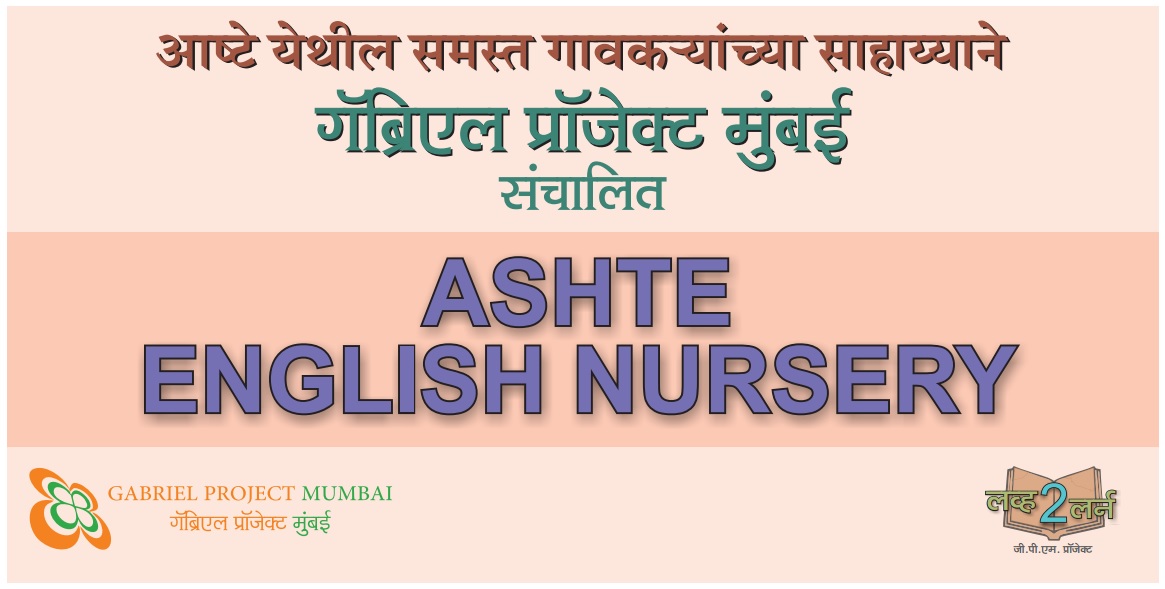
GPM opens new English-language preschool in remote rural village of Ashte

GPM opened the first preschool serving the children of the remote rural village of Ashte in the Palghar district of Maharashtra this week. The preschool, which has 56 students for its first cohort, marks the first time that this village of 850 people has access to a preschool.

“The Ashte village leaders approached us earlier this year and asked us to provide a preschool for them,” explains GPM Director Jacob Sztokman. “They saw what amazing things we accomplished in our first year of Love 2 Learn, the schooling network that we established for the villages in the

Dahanu region, and they wanted us to include them, too. So we responded with a resounding ‘Yes’.”

Click image above for video!
GPM opened the Love 2 Learn primary-school network in 2015, initially with 20 classes, one in each of 20 remote, impoverished and underserved villages in the region. The residents of Ashte, which is one of the most remote villages – several hours’ drive from the nearest city – also asked if the school could be in English rather than the state language of Maharati or even their tribal dialect. The villager residents, who are primarily land owner farmers and landless members of the Konkana tribe, wanted to ensure that their children receive the finest education possible, on par with schools in Mumbai and Delhi.

“It is incredible that this is their aspiration,” Mr. Sztokman added. “Education is so hard to come by at all in this area, but they are not satisfied with basic education. They want English literacy, they want high quality, they want to have equal opportunities for their children. And they have entrusted GPM network.”

Village residents not only took the initiative of bringing GPM’s Love 2 Learn to their village. They also secured a suitable structure for the classroom, which they painted and landscaped with flora that they know their children would love. A tailor from the village also offered to make uniforms for all the children. 

GPM hired a local teacher, Ms. Anjana Thorat, who holds a Bachelor’s degree in Education from an Indian university. Due to the lack of educational facilities in the region, Ms. Thorat had been unable to work in her field as the Ashte village is remote and opportunities rare. Now, with the opening of the pre-school, she is able to remain in her community while working in her field. And the children, in turn, benefit from having a highly qualified professional from their own tribe. It is a win-win model for the school and for the community, and keeps the talent local.

Ms. Thorat will be aided by assistant teacher Ms. Geeta Dhangda, also a community member,  who studied commerce in English at a local college.

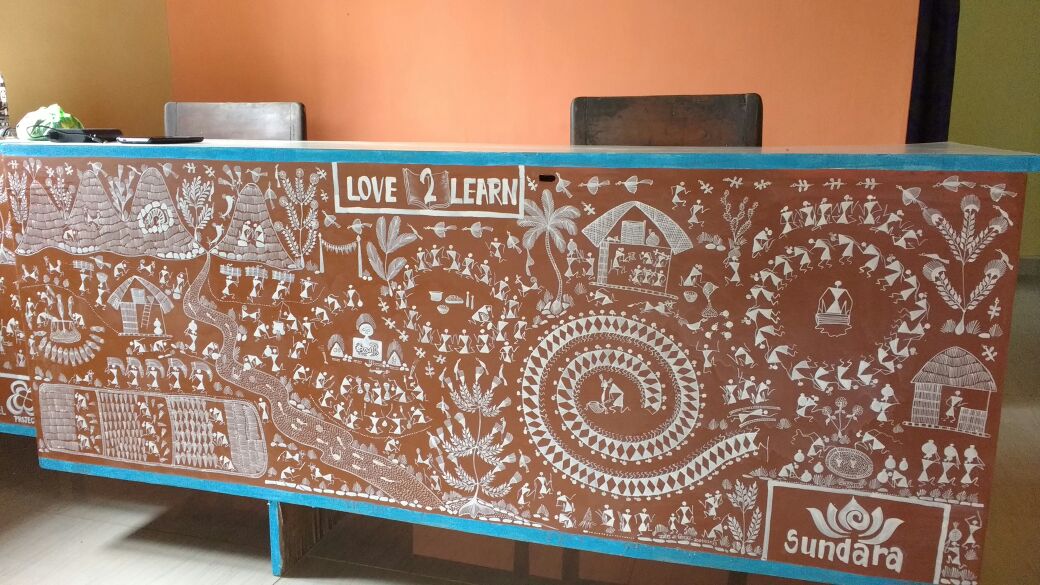
The teachers’ desk was painted in the style of the famous Warli tribal art by a local artist, Mr Ramesh Mirka. The desk, along with all the other furniture, was donated by ORT India, a Jewish educational and training organization that supports non-sectarian economic and social development.

The opening ceremony for the school, which took place this week, was attended by parents, children, GPM staff, and local dignitaries. The district doctor, Dr. Pravin Rathod, was honored as “Chief Guest”, and ceremoniously opened the preschool. The opening ceremony began with the official breaking of the coconut, an Indian custom for good luck, by Mr Devram Jadhav a village elder.   Raju Chaudrri , representing the parents spoke at the ceremony as well as: Mr. Pravin Gawli, - member of the Dahnu local govt committee (Panchayat), Mrs Tara Sathe- Sarpanch of the local govt of 3 village group, Mrs Deepa Jadhav- Deputy Sarpanch of 3 village groups, Mr. Sakharam Jadhav- Forest officer, Mr. Bhanya Jadhav- Police officer of Ashte village and Mr. Vijay Jadhav of the Adivasi Forest department.


“It’s a great privilege at Gabriel Project Mumbai to run the Ashte English preschool,” said GPM Program Director Kenneth DSouza at the ceremony. “Our goal is to provide high-quality English education to your children to give them the tools and knowledge for them to excel throughout their schooling."

"We will strive for the best pedagogic curriculum so that your children will have the same level of English education as children in schools in Mumbai in Delhi. We are excited to work together in this endeavor, and thank you for your trust", said Thaiza Dias, Program Manager of the Love2Learn program  at GPM.

After the ceremony, the teacher and assistant teacher sat with GPM teaching staff for their first
training before classes begin tomorrow.

The Ashte English Preschool is sponsored by the Global Mitzvah Project of Temple Emanual, Kensington, Maryland

Thursday, September 15, 2016

GPM volunteer alum, Emily Weinstein, and the making of the GPM film

The video highlighting Gabriel Project Mumbai's development work in the slums of Mumbai was
created by GPM – Entwine alum, Emily Weinstein. Emily volunteered with GPM as a JDC Entwine fellow in the Spring of 2015 and taught informal education and English in classes in the Kalwa slums after graduating from Fordham University in New York. At Fordham Emily studied anthropology, international development and visual arts.

After traveling India for a month after the GPM-Entwine program, Emily returned  to the US but travelled to Mumbai  to work with GPM as Development Coordinator in August 2015 as she felt a connection to Mumbai and the strong impact of the work she was doing with GPM.

Emily's passion of film and photography and her love of India led her to work on a
View the GPM Video by clicking the image above
Bollywood/South Indian film in Pondicherry and Tamil Nadu. Later she returned to Mumbai to work with cinematographer Harshbir Singh and then began working as a director's assistant at a Bollywood production firm.

Recently, feeling the need to get back to social causes, Emily and Harshbir decided to form a company focusing on human interest documentaries and social narrative films and  they started a business together - Bombay Arthouse. After finishing the GPM clip Emily said, "we are looking forward to pursuing many more projects with GPM, and we are so thrilled by the overwhelming positive response the film has been receiving."

The GPM film was made possible by an anonymous donor and by an OLAM 'In Motion Subsidy' to help promote OLAM coalition partners' development work around the world.
Emily during the filming

Harshbir on site of the filming


Thursday, August 18, 2016

One year anniversary of the Shravan Health Center in the slums of Mumbai

Gabriel Project Mumbai celebrated the one year anniversary of the Shravan Health Center in the Bhaskar Nagar slums. This was a very emotional and significant milestone for the clinic that caters to a population of 200,000 people in the slum.
Dr Alfred, Dr Kamran (DFY), Kenneth Dsouza
and Anju Mishra

The guest speaker at the anniversary celebrations was the Founder and Managing Director of Bethany Hospital, Dr. Stephen Alfred. His blessings for continued success of the Shravan Health Center were heartwarming. Elijah Jacob and staff from JDC India were also present as well as doctors and nursing staff of Doctors For You. But the greatest part of the occasion were the women, men and children of the neighborhood who came to celebrate THEIR community health center!

At the event GPM's latest health initiative was launched – malnutrition treatment program for babies diagnosed with acute malnutrition. See more HERE
Listening to a nutrition lecture for parents


The event also recognized the following accomplishments of the clinic over the year:
• A medical survey and community health map of over 7000 families in the slums
• A medical outreach program for bedridden and incapacitated individuals in the slums
• The treatment of 12,000 individuals over the year
• The implementation of night hours for working parents to bring their children
• Subsidized onsite pharmacy (including free medicines)
• Vaccination services in partnership with municipal authorities
• Recognition as the only TB DOTS treatment center for cases of tuberculosis
Nutrition program for malnourished children


Thanks to all our supporters for making the Shravan Health Center such an important life-saving initiative for this underserved community.

To help support the Shravan Health Center, please donate HERE or contact us at GPM – info@gabrielprojectmumbai.org


Containers of 'Hyderabad Mix' high protien/vitamin nutrition
supplement

Celebrating 1 year: Shravan Health Center

Enterance to the Shravan Health Center

Kids at the event

Outside the Shravan Health Center